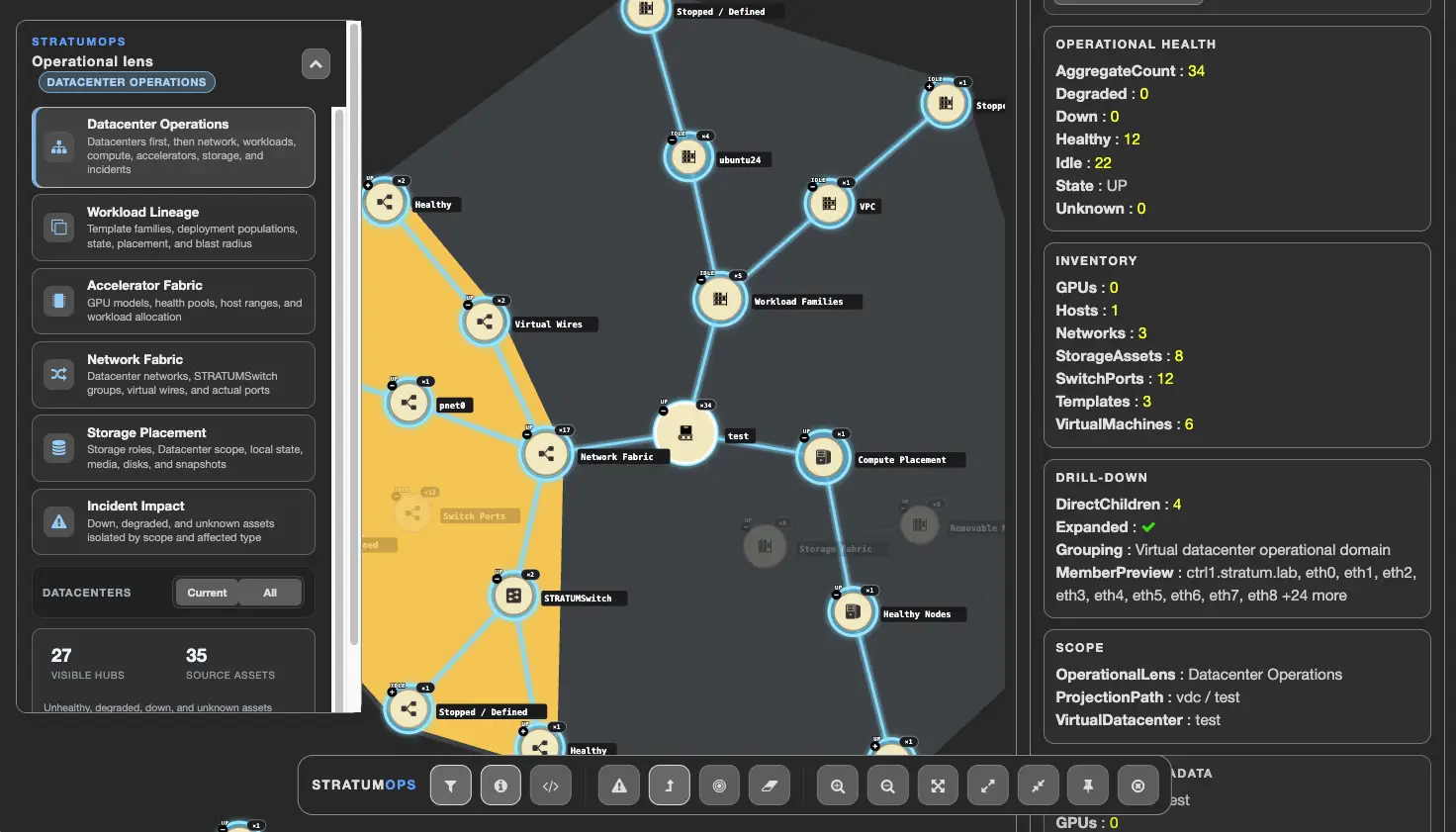
One execution model across architectures.
Mixed x86 and ARM - One Unified Fabric
Mixed architecture becomes one fabric.
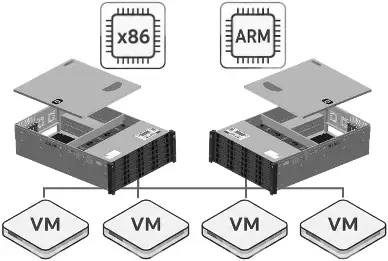
STRATUM brings x86 and ARM infrastructure together in a single virtual machine fabric-not just a container platform. Workloads can run natively on either architecture or be emulated across architectures, giving organizations the freedom to balance performance, power efficiency, cost, and hardware availability without creating separate infrastructure silos. It is a game changer because mixed-architecture computing becomes flexible, portable, and practical across both datacenter and edge environments.
Intelligent Memory Deduplication
Run 10 VMs in the same footprint as 1 VM's memory!
Most VM fleets repeat huge amounts of the same RAM. Ten Windows or Linux VMs may load the same operating system, libraries, services, and application binaries into memory again and again while only their live data differs. Without deduplication, the host can store those identical pages 10, 20, or 30 times. STRATUMvisor makes memory deduplication a core platform capability: when eligible VMs contain identical memory pages, STRATUM keeps one shared copy and maps it into every VM that needs it. That can turn repeated gigabytes of identical RAM into a single shared memory footprint, freeing enormous capacity for more workloads. The more similar the VMs, the more dramatic the savings.
STRATUMvisor
The Hypervisor Built Into the Virtual Datacenter
Traditional hypervisors virtualize servers. STRATUMvisor virtualizes everything those servers depend on.
What it is
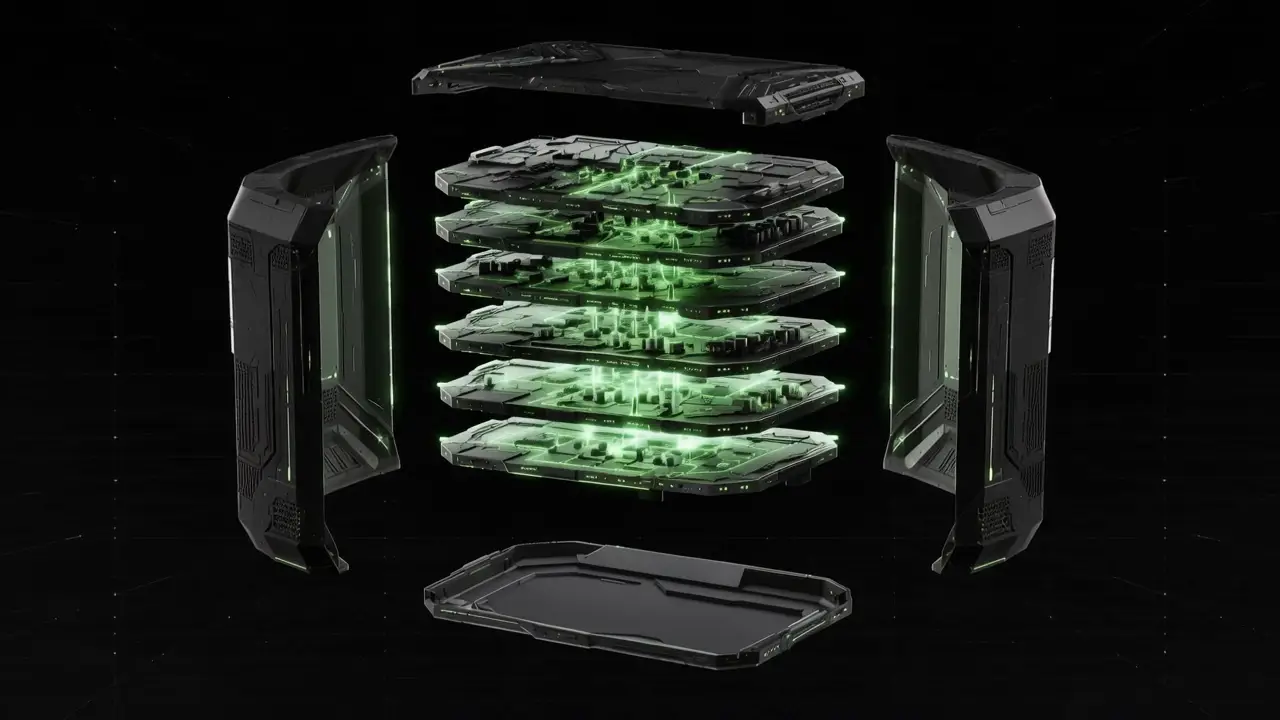
STRATUMvisor is STRATUM's integrated virtualization engine, delivered in the same portable OCI container image, without a separate hypervisor product, licensing tier, or management stack.
Under the hood
It uses KVM, when available, on Linux across x86 and Arm, with Hyper-V acceleration on supported Windows hosts. STRATUM adds its own orchestration, device models, storage fabric, networking, and virtual datacenter controls.
What makes it different
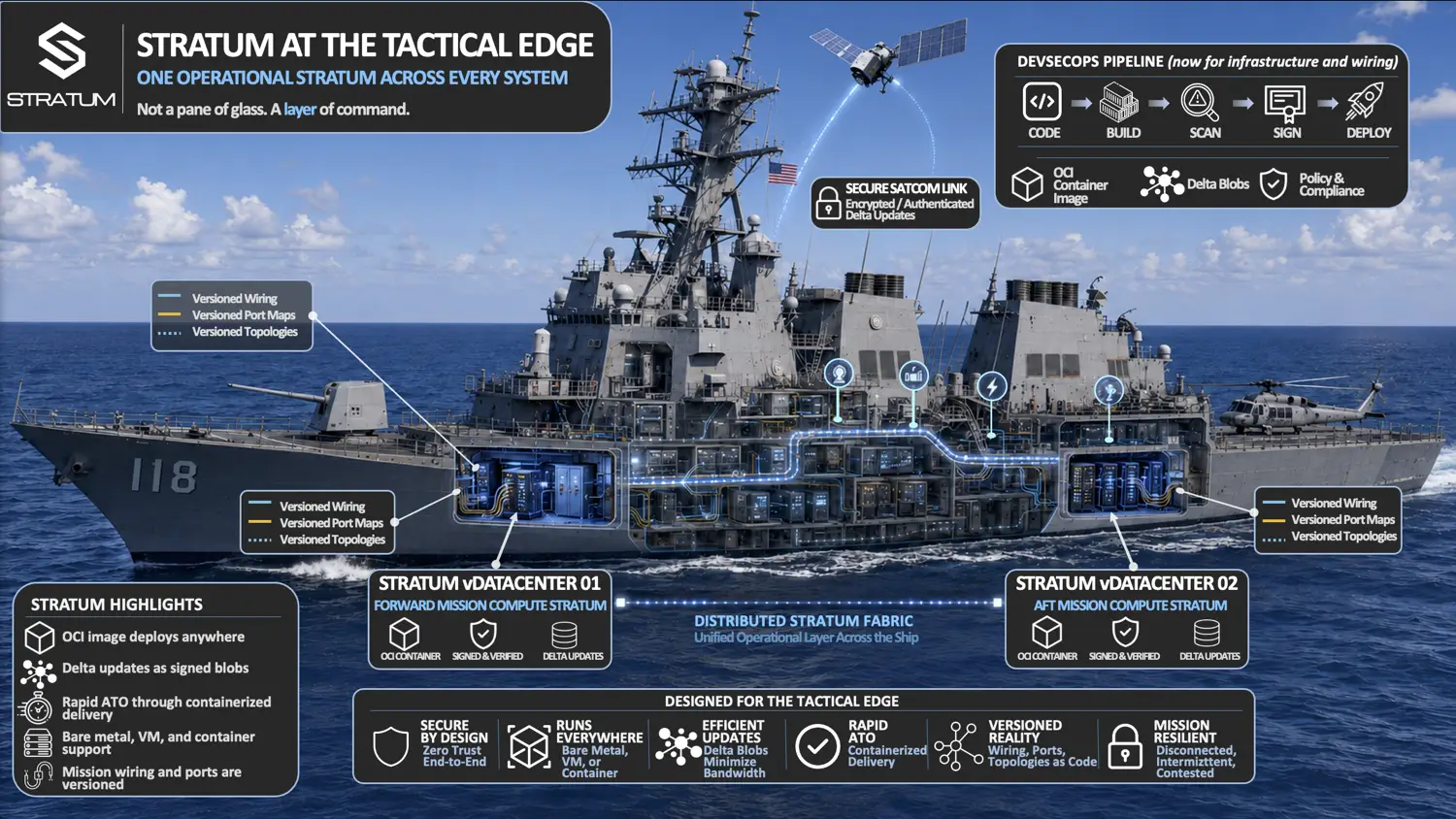
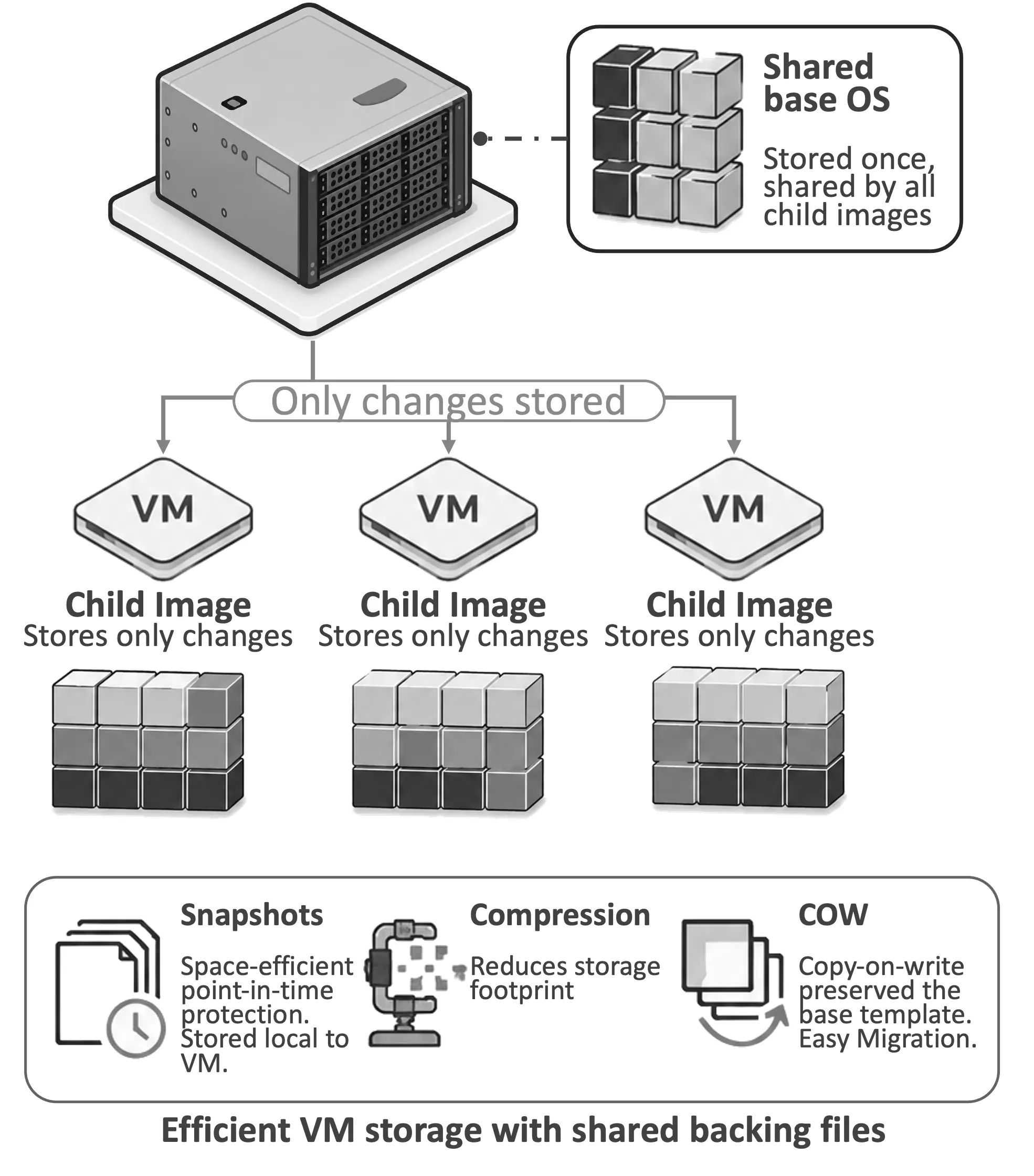
STRATUMvisor goes beyond VMs. Images are accessed directly through the integrated storage fabric, without host mounts, manual LUN mapping, or separate storage clients. Ports, cables, switches, and connections are first-class virtual objects. Instead of assigning a VM to an abstract network, you wire specific VM ports to specific ports on switches, routers, firewalls, and other systems.